How GFF AI Works
How Enterprise Intelligence Is Engineered
A seven-step method for understanding the organisation, organising enterprise knowledge, engineering specialist AI teams, integrating them into operations and improving them under continuous governance.
What is Enterprise Intelligence Engineering?
Enterprise Intelligence Engineering begins by understanding how an organisation operates, where its knowledge resides, how decisions are made and which outcomes need improvement.
It then brings together enterprise architecture, organisational knowledge, specialist AI agents, business workflows, governance, human oversight and continuous improvement.
The objective is not to deploy an isolated AI tool. It is to develop a reusable and governed intelligence capability that can grow with the enterprise.

Our Engineering Philosophy
Business outcomes are the starting point
The technology-first question
“Which model should we use?”
The enterprise-first question
“How does this organisation operate, where is its knowledge, how are decisions made and what outcomes need improvement?”
Only after understanding the enterprise do we select models, platforms and integration patterns.
The Methodology
Seven engineering steps
Each step builds on the previous one — from understanding the organisation to continuously improving its intelligence.
Step 01
01 / 07
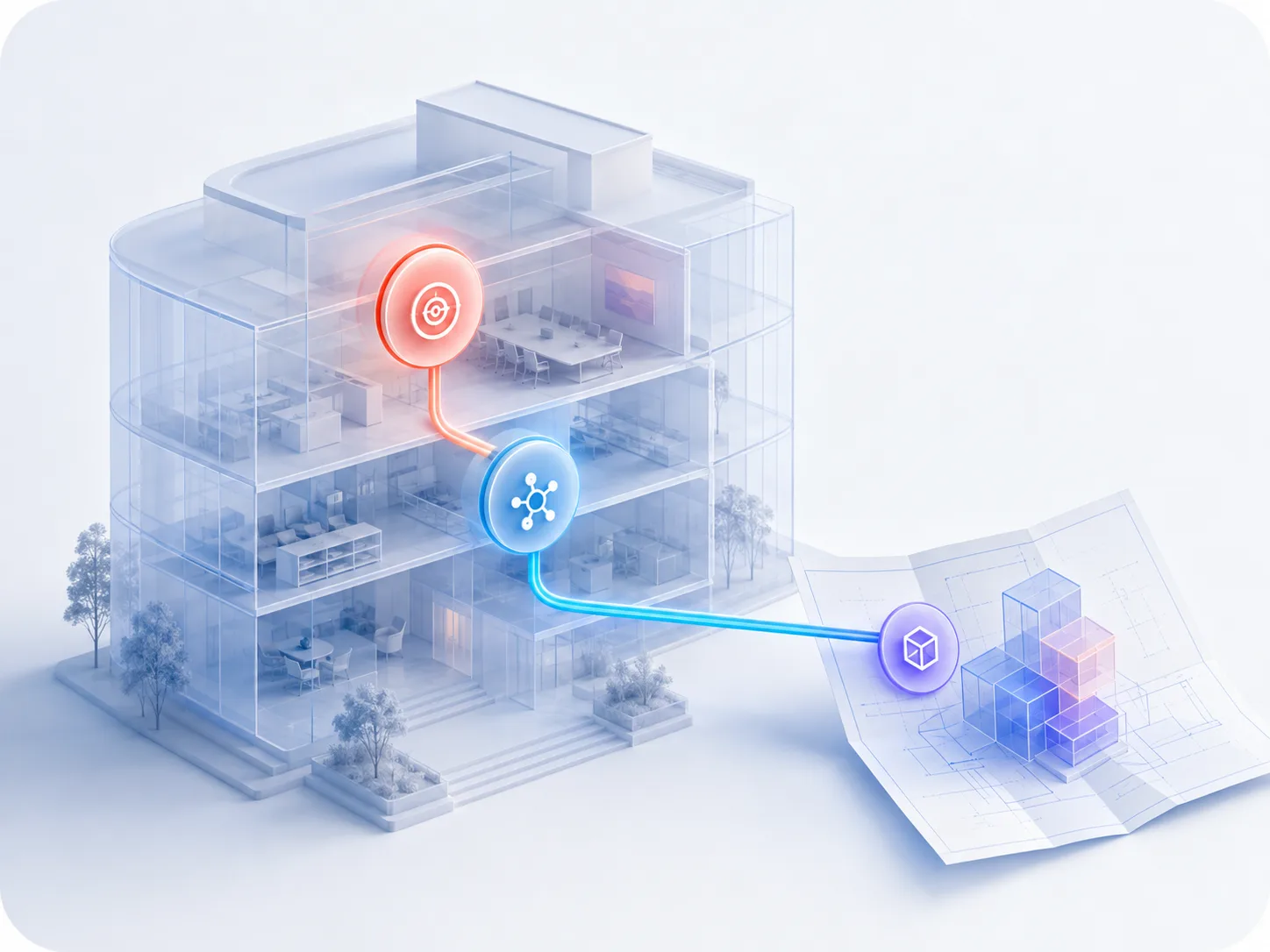
Understand How the Enterprise Thinks
Study strategic objectives, knowledge sources, decision pathways, operational bottlenecks and regulatory obligations. Convert the findings into an Enterprise Intelligence Blueprint.
Understand the organisation before building anything.
Step 02
02 / 07
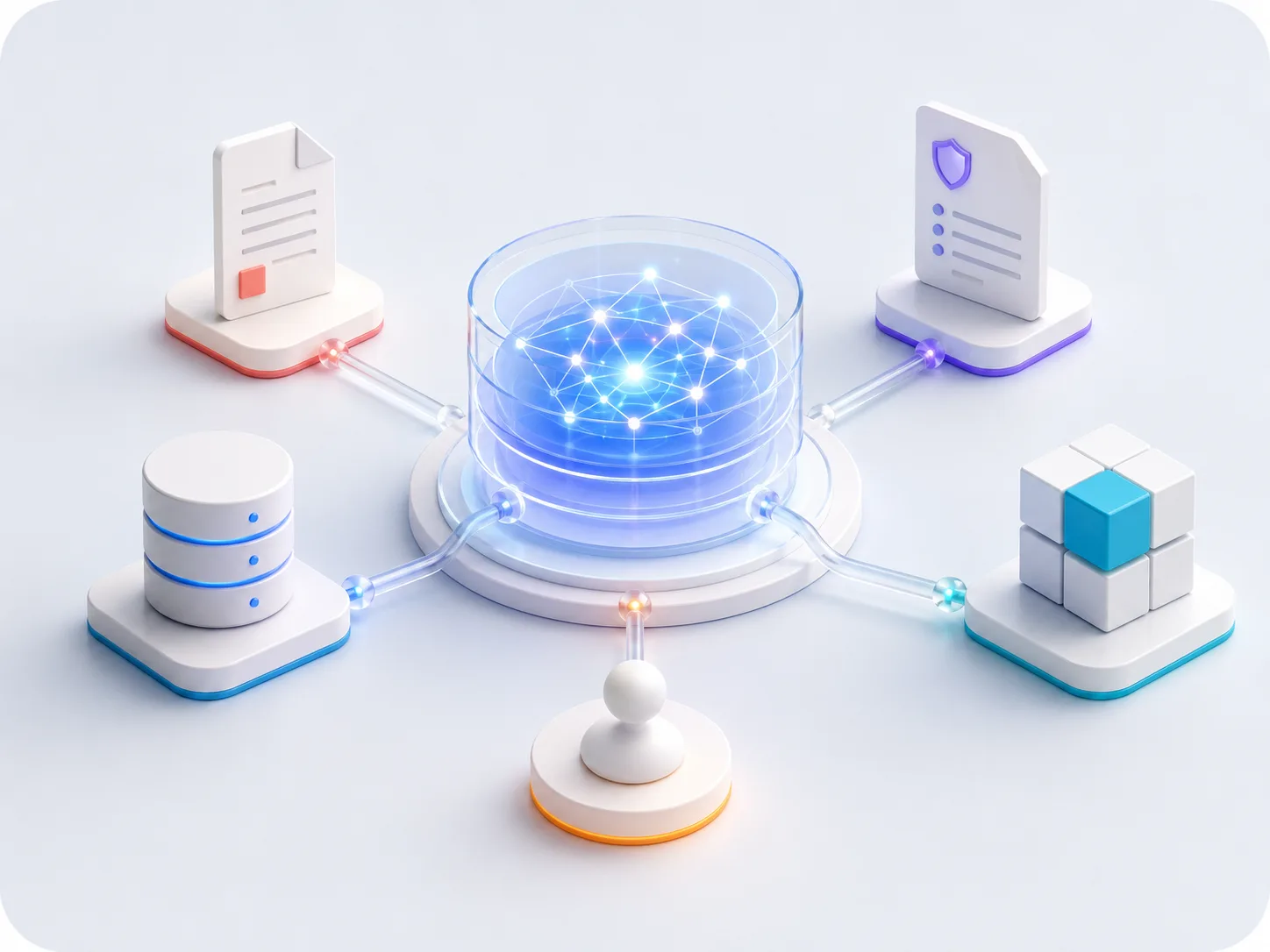
Create an Enterprise Memory Layer
Connect knowledge from documents, databases, policies, applications, employees and historical decisions. Organise relationships between people, assets, customers, rules and operational events.
Give AI organised access to enterprise knowledge and context.
Step 03
03 / 07
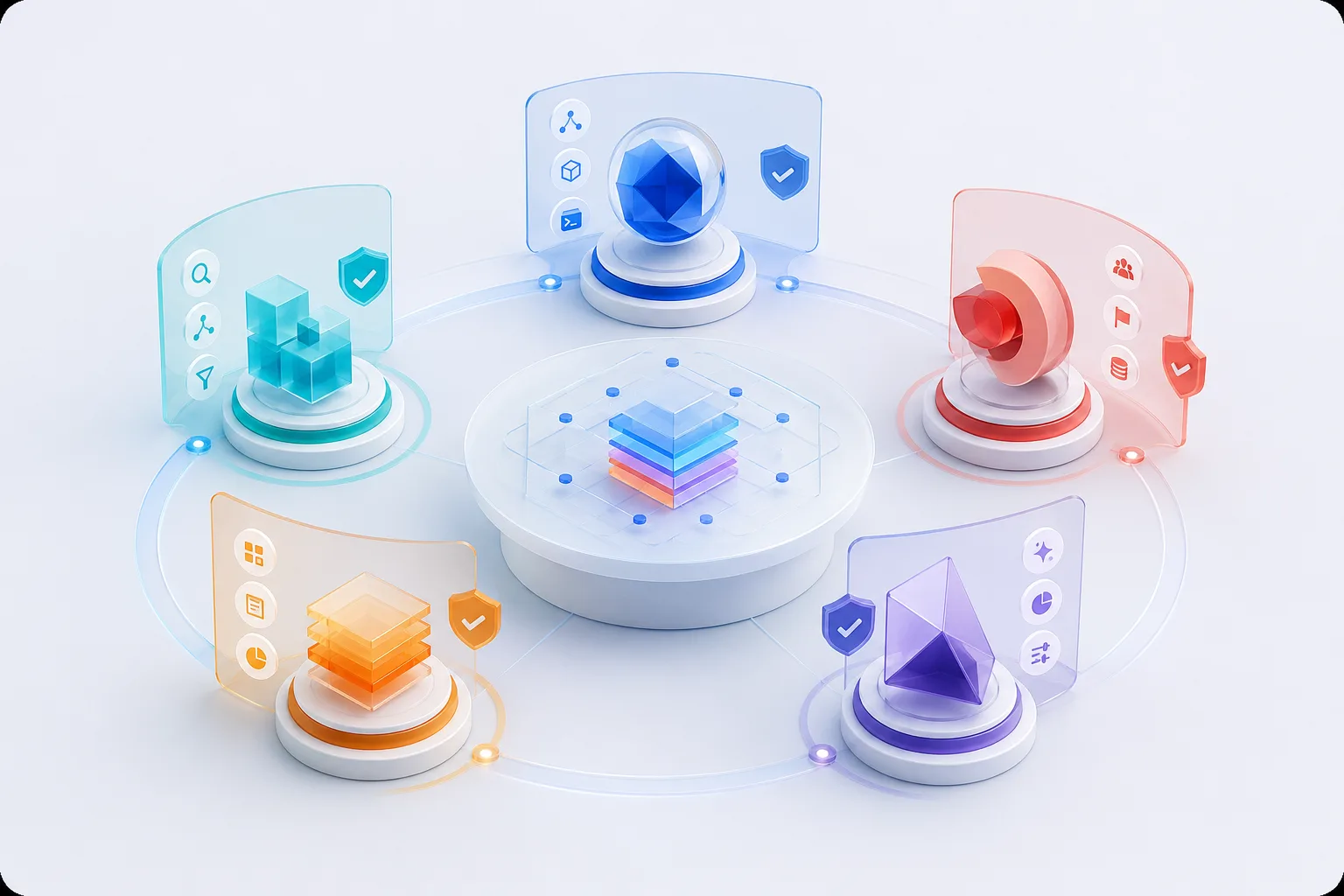
Engineer Digital Teams
Build specialist agents for functions such as finance, procurement, legal, manufacturing, customer service, ESG and risk. Give each agent an approved role, knowledge boundary, tools and permissions.
Build AI specialists with defined business responsibilities.
Step 04
04 / 07
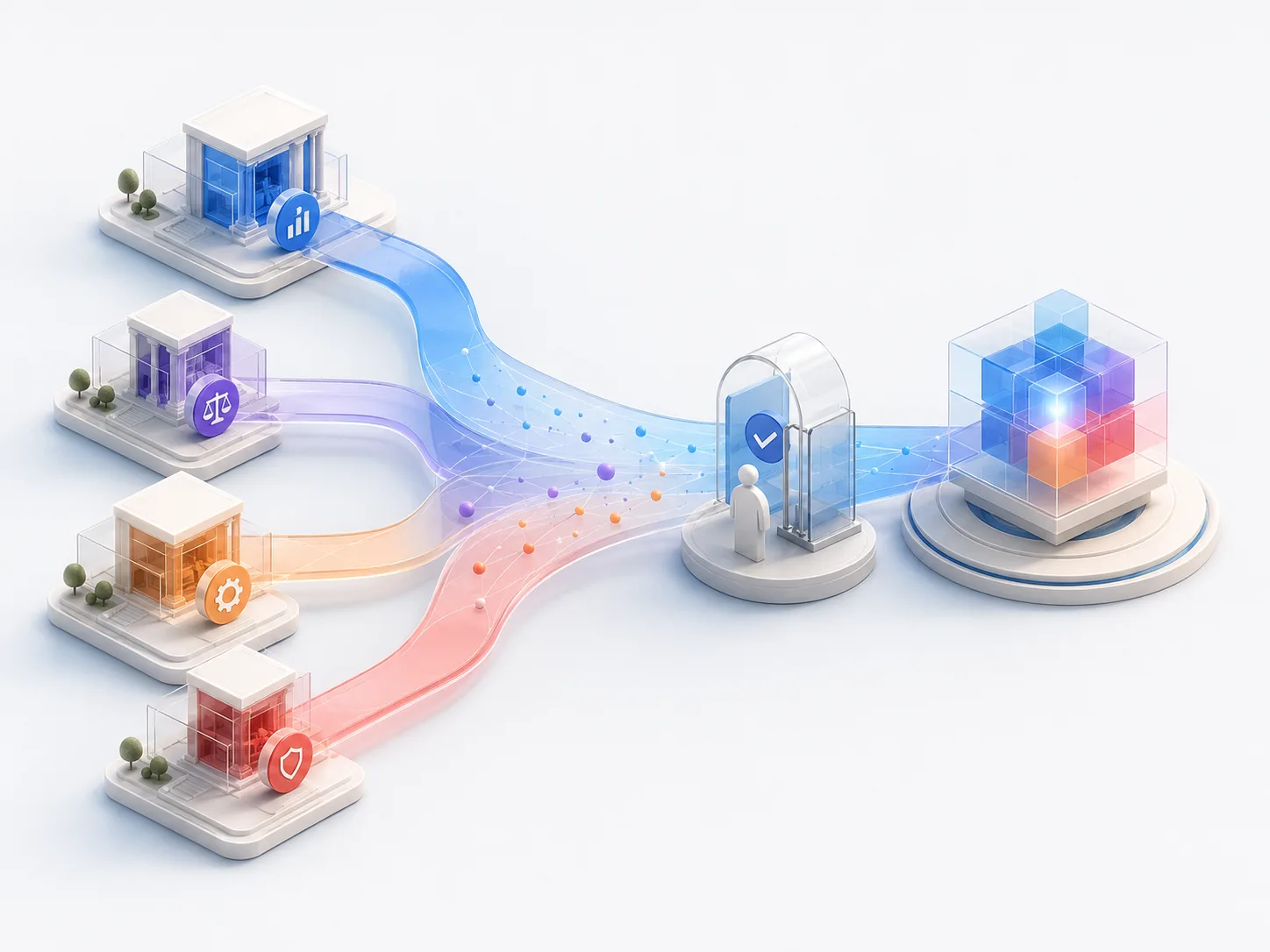
Connect Intelligence Across the Organisation
Allow specialist agents to share context, review outputs and coordinate work across functions while preserving human accountability.
Make AI specialists work together like a coordinated business team.
Step 05
05 / 07
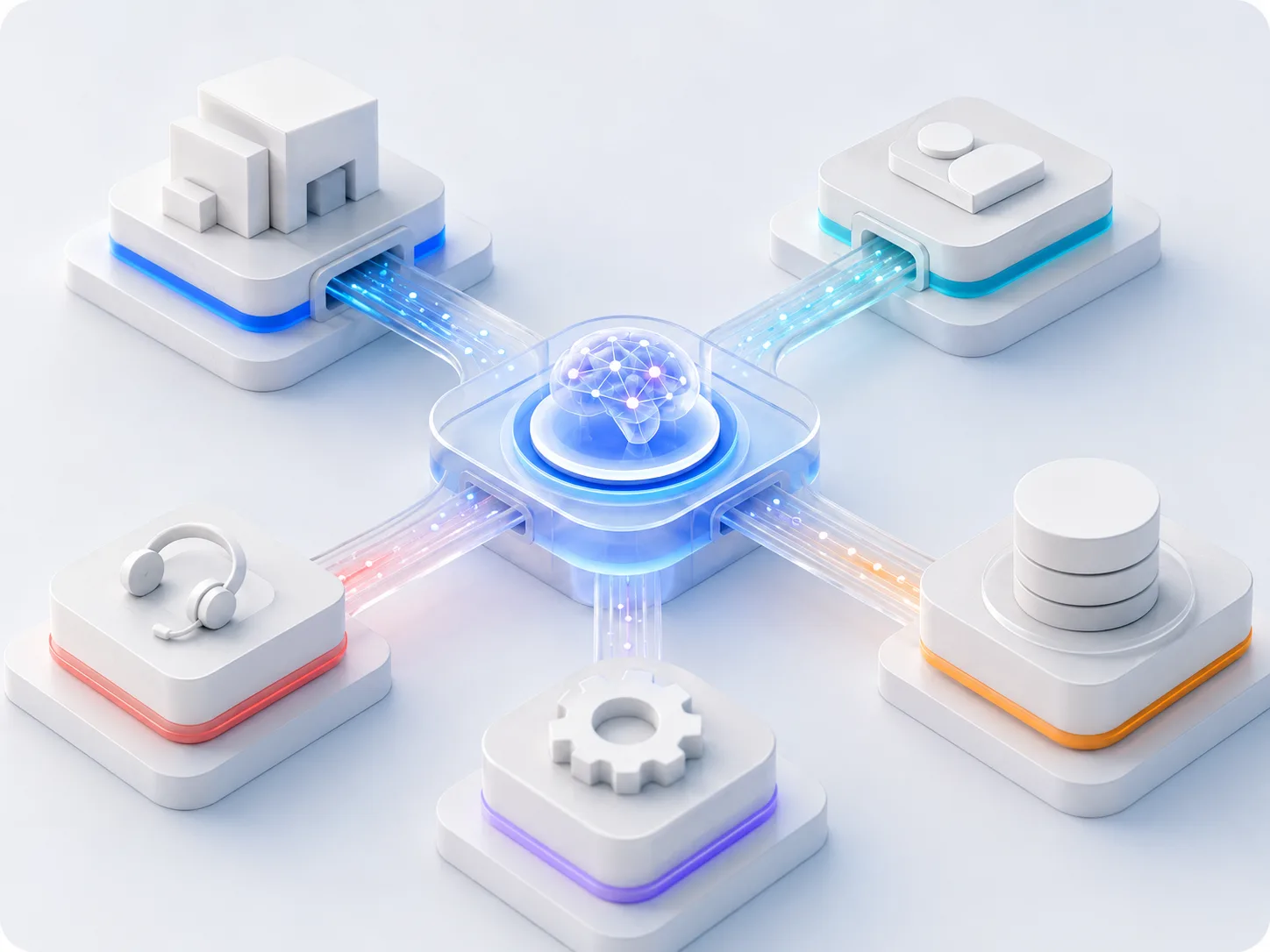
Integrate Intelligence into Existing Operations
Connect intelligence to the applications and processes employees already use, including enterprise data platforms, ERP, CRM, service management and custom operational systems.
Bring AI into existing systems and workflows.
Step 06
06 / 07

Build Trust Before Scale
Engineer human approvals, access controls, security, explainability, policy enforcement, audit logs and regulatory requirements from the beginning.
Make AI controlled, accountable and auditable before expanding it.
Step 07
07 / 07
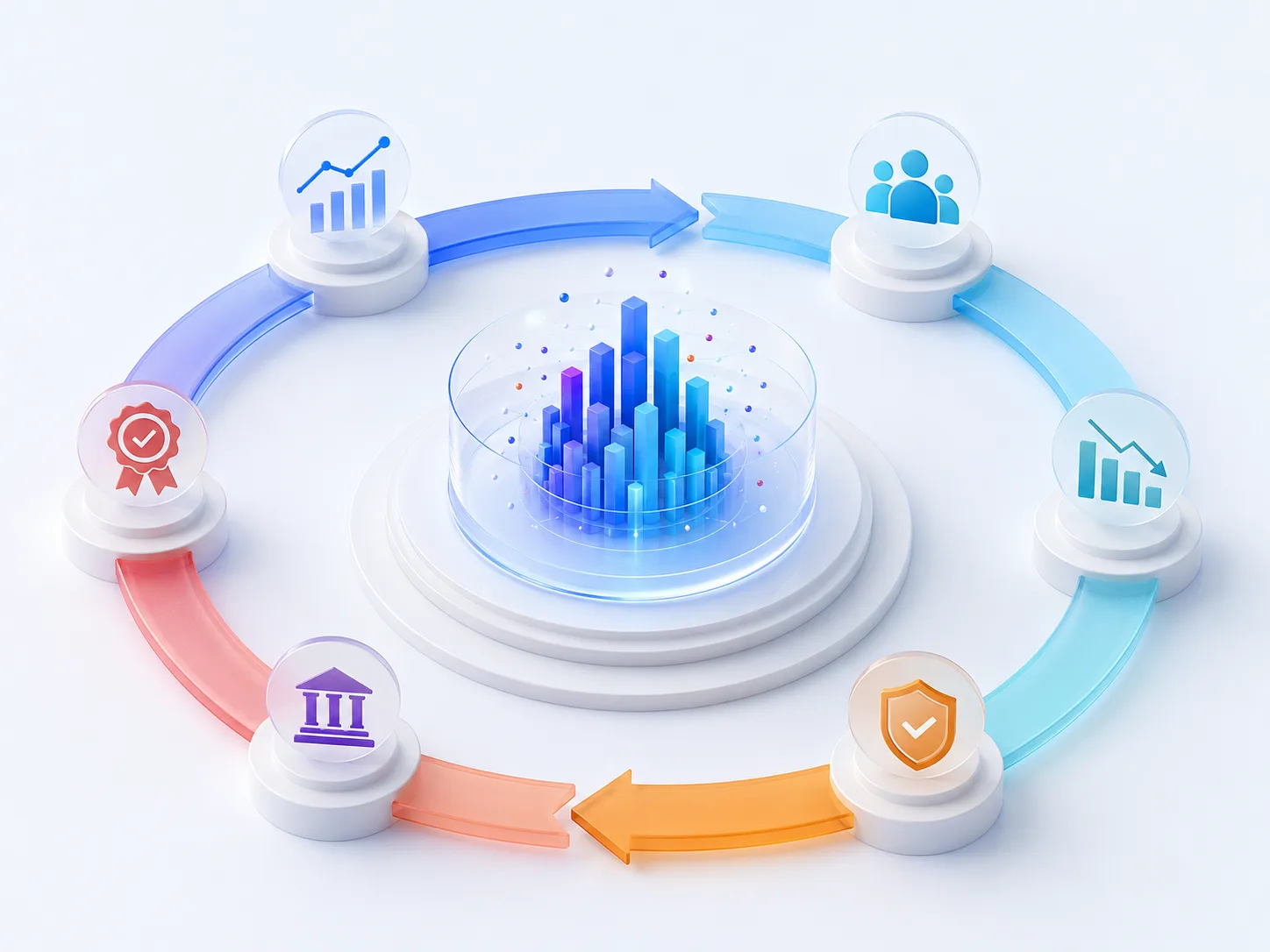
Continuously Improve Enterprise Intelligence
Measure business outcomes, accuracy, adoption, cost, speed, security, governance and model quality. Improve the system as the enterprise and its operating environment change.
Treat deployment as the beginning of continuous improvement.
01 / 07
The Engagement
The Enterprise Intelligence Engineering Lifecycle
Six stages shape every engagement, from first discovery to enterprise-wide scale.
Delivery
How the lifecycle is delivered
Enterprise lifecycle
GFF AI delivery model
Enterprise Intelligence Engineering defines the discipline. The lifecycle explains the engagement. Garage–Foundry–Factory provides the delivery system.
The Difference
Why this approach is different
Traditional AI project
- Begins with a model or tool
- Automates an isolated task
- Uses fragmented knowledge
- Adds integration later
- Introduces governance near deployment
- Treats deployment as completion
Enterprise Intelligence Engineering
- Begins with enterprise outcomes and decisions
- Connects knowledge and context
- Engineers specialist governed agents
- Integrates with existing operations
- Builds trust from the beginning
- Continuously measures and improves
Start with an Enterprise Intelligence Blueprint
Identify where intelligence can create measurable value, what foundations are required and how your organisation can progress from discovery to governed scale.
See how engagements work